The Myth of Persistent LEED Certification
If you've been involved in sustainability and green building for any length of time, you've probably encountered the idea that once a building achieves LEED certification, it’s permanently sustainable (spoiler: it isn't)...
Because this belief, though comforting, is fundamentally flawed. As we've seen through LOTS of interesting research (check out this paper: A review of data collection and analysis requirements for certified green buildings ) LEED certification, especially for new construction (LEED BD+C), represents a snapshot in time... just stating a project has earned a certification (commendable though that is), doesn't really mean it's the be-all-end-all for ALL sustainability metrics (energy, water, waste, transportation, human experience...) let alone ALL of those things, FOREVER.
You could argue that ANY achievement or certification is a point-in-time assessment. So while it can be significant in that moment, it doesn't mean you forever get to let your foot off the accelerator and coast along, basking in previous achievement and assuming everything will continue just as planned. I'm going to go out on a limb here and say that most anyone who's ever won or achieved any milestone didn't just STOP there, assuming that's as good as it gets.
LEED certification is the same. The "new build" rating systems (BD+C: Core & Shell, BD+C: New Construction , ID+C ) reflect design strategies, construction practices, and initial performance expectations. They do not, however, guarantee ongoing sustainability or efficiency.
This misunderstanding can lead to complacency, diminishing the ongoing benefits that LEED certification seeks to inspire. To truly deliver on sustainability, continuous improvement and active management are essential.
And, you may already know that the GRESB Real Estate Standards even discount certifications over time, to intentionally reflect the gradual reduction in the perceived value of green building certifications to market participants. (The discount starts after 4 years and continues out to 15+ years). More here .
Buildings evolve. Systems age. Occupancy patterns shift. Without proactive, ongoing attention, even a Platinum-certified building can quickly drift from its peak performance.
That’s why certifications like LEED Operations and Maintenance (LEED O+M ) are beginning - finally - to gain significance. Unlike new-build LEED certifications, LEED O+M requires continuous monitoring, a demonstration of proven performance, and periodic recertification, ensuring ongoing commitment and measurable progress.
Consider BranchPattern’s Omaha office , recently certified as the first LEED v5 O+M Platinum building in the U.S. This wasn’t simply a matter of checking boxes; it required persistent monitoring, real-time adjustments, and dedicated operational oversight. This ongoing effort ensures sustainability remains dynamic, adapting to changing circumstances, technologies, and standards. Some references there if you're interested in more:
Upcoming webinar - 8/14 - on the BranchPattern Omaha office Enhancing existing buildings through LEED for Operations and Maintenance Podcast - Q&A with Sarah Gudeman: LEED v5 for O+M BranchPattern Omaha is the First LEED v5 Platinum certification in the U.S.
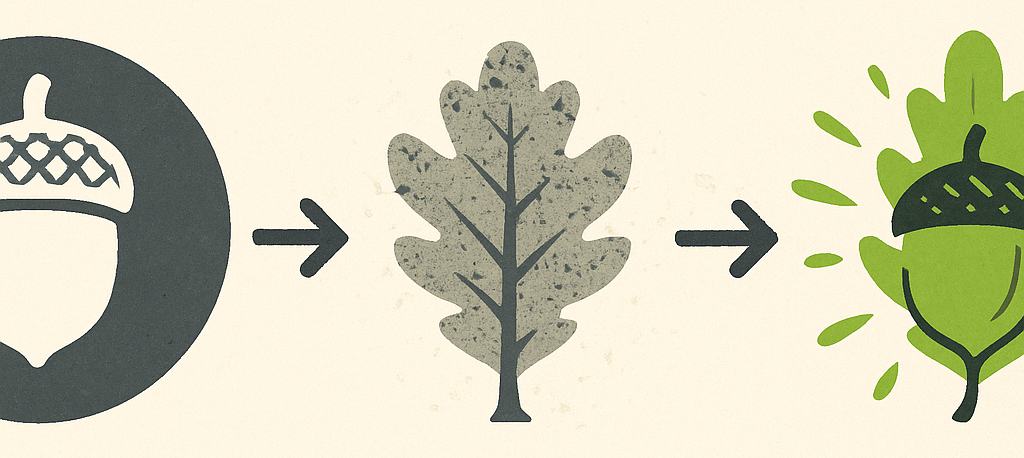
All this to say, we understand that sustainability isn't a milestone... it's a continuous journey.
For building owners, developers, and sustainability professionals, this means shifting perspectives. Rather than viewing LEED certification as a static accomplishment, we need to remember it's an active, evolving commitment. Embracing this mindset ensures we’re truly contributing to long-term environmental stewardship and optimal building performance.
So, let’s dispel the myth.
LEED certification isn’t permanent, but our commitment to sustainability absolutely can be.
I’d love to hear any thoughts and experiences on how you've managed sustainability as an ongoing practice rather than a one-time achievement. Because it's certainly a process (and not a perfect one).