Resiliency: Why CRE Stakeholders Should Prioritize Now
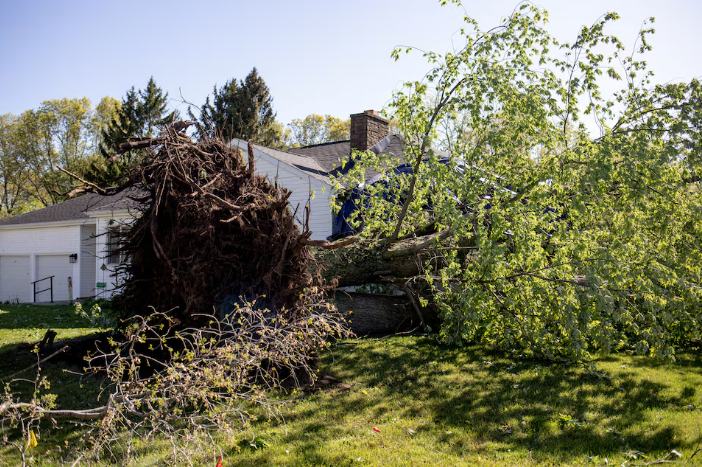
Our buildings and communities are facing more frequent and severe climate-related threats, from flooding and wildfires to extreme heat and storms. You don't have to look far to see the headlines, on the regular:
"Rain rips through NYC, send US Open spectators scurrying" - NY Post "Climate crisis will increase frequency of lighting-sparked wildfires" - The Guardian "Extreme weather threatens $1.1 trillion in Texas property. Few are prepared" - Houston Chronicle "Over 25 million under alert for severe weather, possible flash flooding in Northeast" - ABC News "As drought persists, livestock farmers in Vermont are hurting" - AP News
These are all just from the last 3 days.
For owners, investors, designers, and managers, resiliency isn’t just a theoretical goal, it’s essential for protecting assets, boosting value, and meeting emerging regulatory and ESG demands. If this isn't a discussion you've had yet, here are some tips to get started.
Why Resiliency Matters, for Your Portfolio
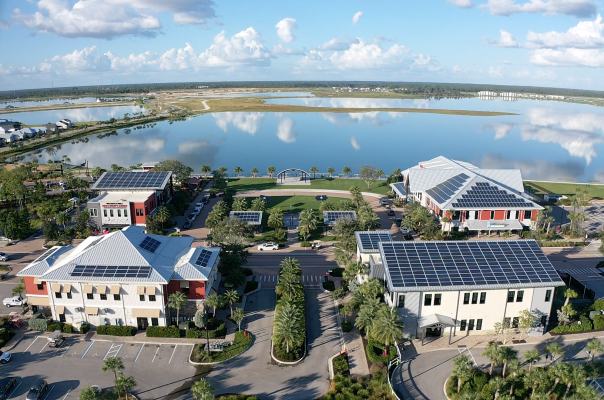
Unlock Asset Value & Investor Confidence Resilient properties withstand climate shocks, reducing insurance premiums and enhancing tenant attraction and retention. NAIOP, Duane Morris Blogs Align with ESG and Disclosure Standards Standards like ASTM's Property Resilience Assessment (PRA) E3429-24 , endorsed by ULI and Nareit, are becoming due diligence and PCA essentials. Reuters Comply with Building Codes & Emerging Certifications Beyond basic codes, resilience frameworks like FORTIFIED and compliance options under EU Taxonomy are gaining traction. (Remember RELi ? It's mostly been folded into LEEDv5 at this point). Future-Proof Against Extreme Events Master-planned resilient communities with design features like buried utilities, solar backup, smart drainage, and microgrids, demonstrate what’s possible. TIME Leverage Technology for Planning & Engagement Innovative visuals like augmented reality (AR) models are helping cities like Tampa Bay explain and gain buy-in for flood-resilient infrastructure. Business Insider
BranchPattern’s Resilience Approach: More Than Just Compliance
At BranchPattern, we don’t just help you meet today’s resilience requirements; we turn them into a strategic advantage. We work closely with developers, owners, and investors to ensure that resilience becomes a key factor in the asset value equation, while also meeting resilience prerequisites of green building rating systems, local jurisdictions, or state C-PACE requirements.
How We Help You Create Resilient Properties
Hazard Identification: We conduct thorough site-level hazard assessments to identify specific risks such as flooding, heat stress, and wildfire potential. By leveraging public data and sophisticated climate models, we tailor our findings to ensure relevant risks are addressed at every phase of development. Vulnerability Evaluation: Our team evaluates building features, recovery timelines, dependencies, and exposure to climate risks, ensuring that you have an actionable strategy for mitigating disruptions. Resilience Strategy Development: We can propose a range of solutions, focused on your portfolio and goals, from protective measures to adaptation and backup strategies, with cost estimates and implementation roadmaps designed to future-proof your properties. Resilience Reporting: Our Property Resilience Assessment reports, aligned with ASTM’s PRA standard, help you integrate resilience into ESG disclosures and capital planning, positioning your portfolio as both compliant and forward-thinking.
Going Beyond Buildings: Integrated Resilience
Resilience extends beyond just buildings; it’s about designing communities and systems that can thrive in the face of environmental stress. This requires further consideration for:
Urban-Scale Systems & Infrastructure: Resilient communities require well-designed transport, energy, water, and green spaces that complement resilient buildings, ensuring a holistic approach to climate adaptation. Operational & Financial Resilience: With rising operational costs and shifting capital, resilience strategies help align long-term investments with operational efficiency, creating a competitive advantage in the marketplace. Policy & Multi-Stakeholder Collaboration: Successful resilience depends on collaboration. Local governments, insurers, investors, and communities must work together, and we provide the insights to help bridge gaps and move from planning to action.
LEED v5 Resilience Requirements: A Key Component in the Future of CRE
Resilience isn’t just a “nice-to-have” feature; it’s a mandatory requirement for all LEED v5 certifications. As part of LEED’s commitment to sustainability, resilience in LEED v5 has been integrated into core criteria across BD+C, ID+C, and O+M. For example:
Climate Resilience Assessment (IPp1) – Projects must assess climate-related risks, which directly inform decisions on site selection, design, and operational planning. Human Impact Assessment (IPp2) - This ensures that all project designs consider social equity and workforce impacts, improving community buy-in and equity. Enhanced Resilient Site Design (SSc4) - Encourages site design to prepare for projected climate and natural hazards. Resilient Spaces (EQc4) - LEED v5 now requires projects to design indoor spaces that can adapt to extreme weather conditions, ensuring ongoing functionality and comfort during climate-driven disruptions.
These new resilience prerequisites will transform how buildings are planned, designed, and operated, ensuring they’re not only sustainable but also capable of withstanding and adapting to future climate-related challenges. Check with your team if they're prepared to tackle these.
What You Can Do Next
Resilience is essential for future-proofing your real estate portfolio. Let's get started:
As the Right Questions: Do you have to meet any kind of requirements or mandates? What are the climate risks at your buildings location? What is the financial impact of these hazards on your assets? What should be done to address those risks? Leverage Resilience for Value: Develop strategies that enhance asset protection, tenant satisfaction, and investor confidence. Maximize Long-Term Benefits: Whether you’re developing a new property or retrofitting an existing one, we can help integrate resilience strategies that make your buildings more adaptable to extreme weather and more attractive to tenants.
https://www.branchpattern.com/perspectives/resilient-by-design