Inspiration Is Everywhere: Notes from CREW Convention 2026 (Miami)
I said last week that CREW is a place where you can find inspiration literally anywhere you look... Here's the long version.
Tuesday: Water, in every form
It's starting to feel like fall back home in Omaha (even though Scott Conner and I suspect it might just be 'false fall' one of Omaha's 11 seasons...) But regardless, Miami immediately reminded me what 100% humidity feels like.
Still, I'll take water in that form over what sounded like a week of torrential rain, back at home. That contrast stuck with me because during our panel on resilience, one of the audience questions was whether we're seeing flooding events away from the coast. The answer is yes, of course… even in Omaha. (Climate risk doesn't stop at the shoreline, and neither should our conversations about it.)
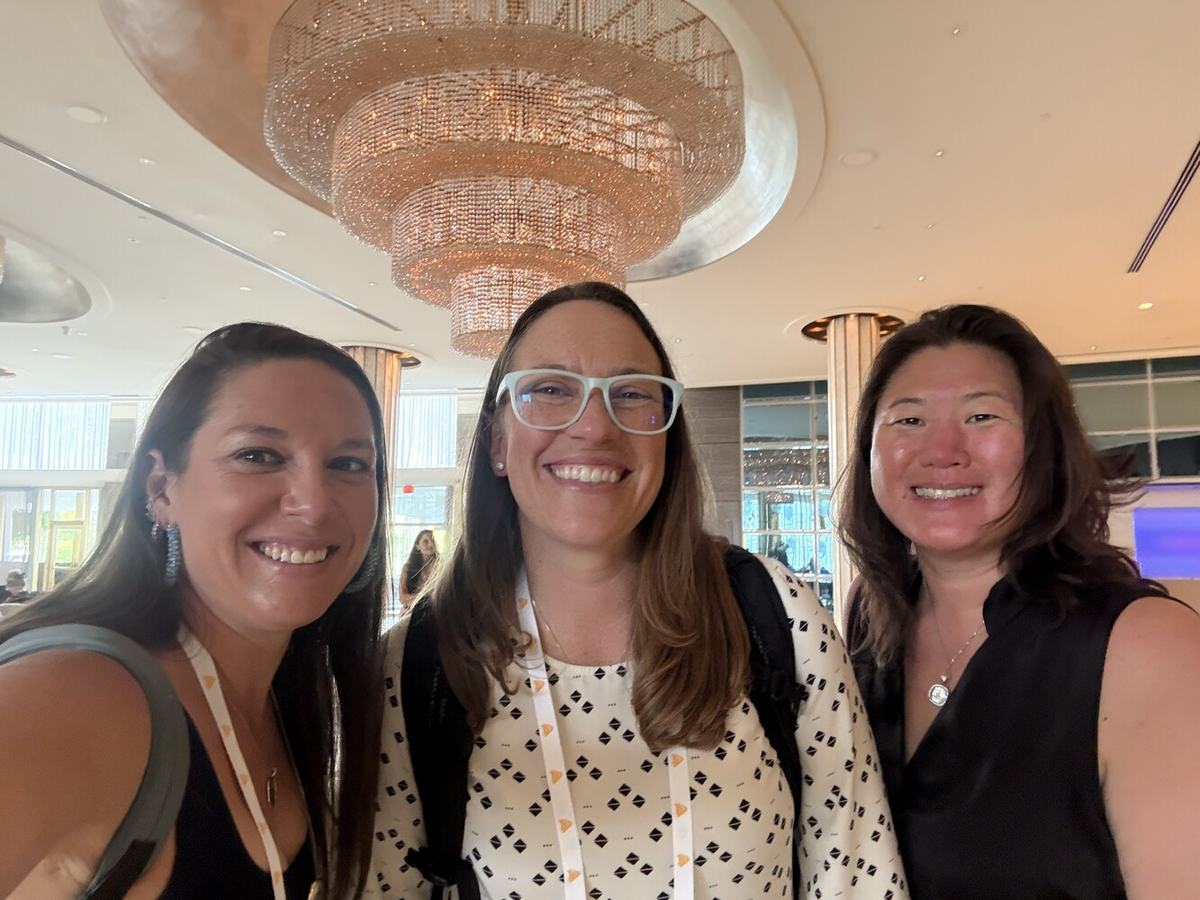
My first evening after landing and check-in was an AI x CRE happy hour meetup. Seven months ago this group was a question on the CREWBiz forum . Now it's becoming a real nonprofit organization and resource for women (and others) in the industry. That kind of momentum doesn't happen without committed people, so a sincere thank you to Ivy M. , Michelle Hamilton , Jodi Tagessen , and Melody Montgomery, MBA, CCIM .
You can find all of the recorded sessions, sign up for the next one, and more at https://crewinai.netlify.app/
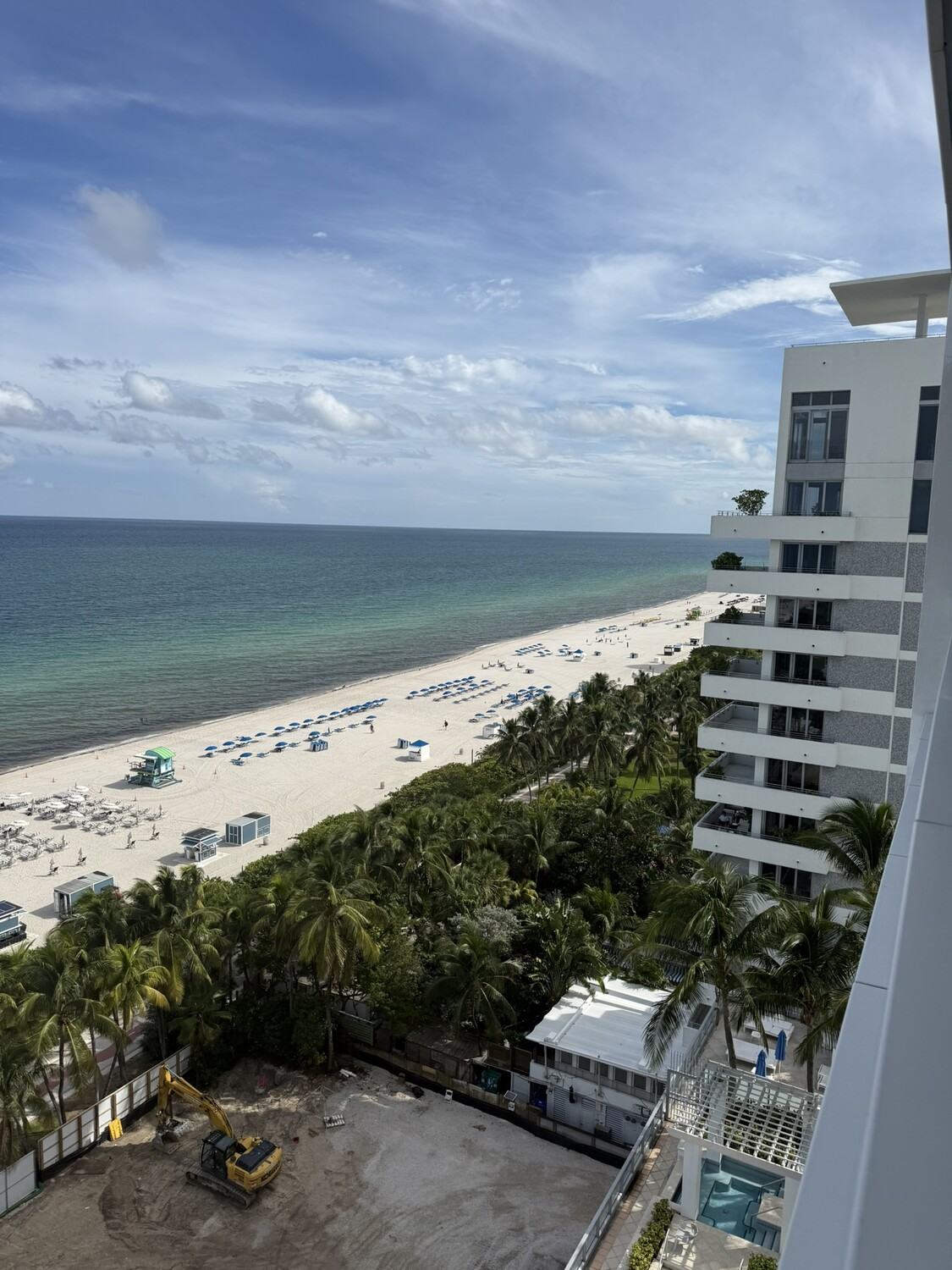
Then I got some time to myself to decompress and get my toes in the sand before sunset.
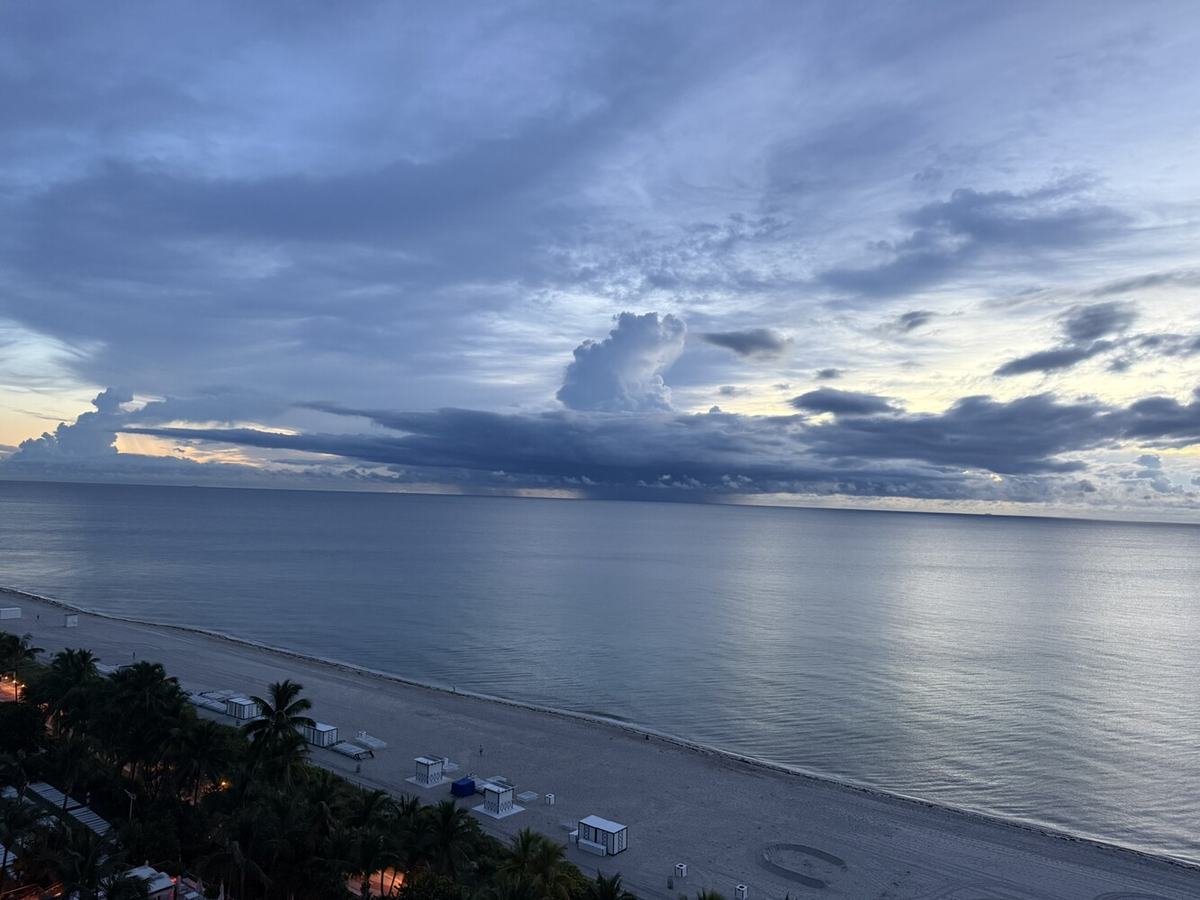
My room faced the beach, so the balcony became my favorite spot of the week.
Wednesday: Art, lines, and boats
I started the day at Panther Coffee and walked the Wynwood neighborhood solo, stopping at the Museum of Graffiti and taking what felt like a million pictures. (My video mashups on Instagram @sarahgudeman .
Art has always been inspiration for me. The Shay family history says is that I told my parents I wanted to major in "either art or mechanical engineering". Clearly engineering won the degree, but art never left. What I love about street art in particular is its accessibility and its transient durability: it's built to be seen by everyone, and it's never guaranteed to last. There's a lesson in there for how we think about buildings too... And now I may also need a book on graffiti lettering.
Wynwood evolved from an industrial warehouse zone and Puerto Rican working-class enclave into one of the world's premier global street-art hubs.
• Early 2000s: Artists and gallery owners were drawn to the area by cheap rents and vast, empty industrial spaces.
• 2003: Local dealers and developers formally championed the creation of the Wynwood Arts District.
• 2009: Developer Tony Goldman launched the Wynwood Walls project , turning blank warehouse surfaces into massive canvases for international street artists. Today, the 50-block neighborhood features over 200 murals and stands as a vibrant global capital for contemporary urban art.
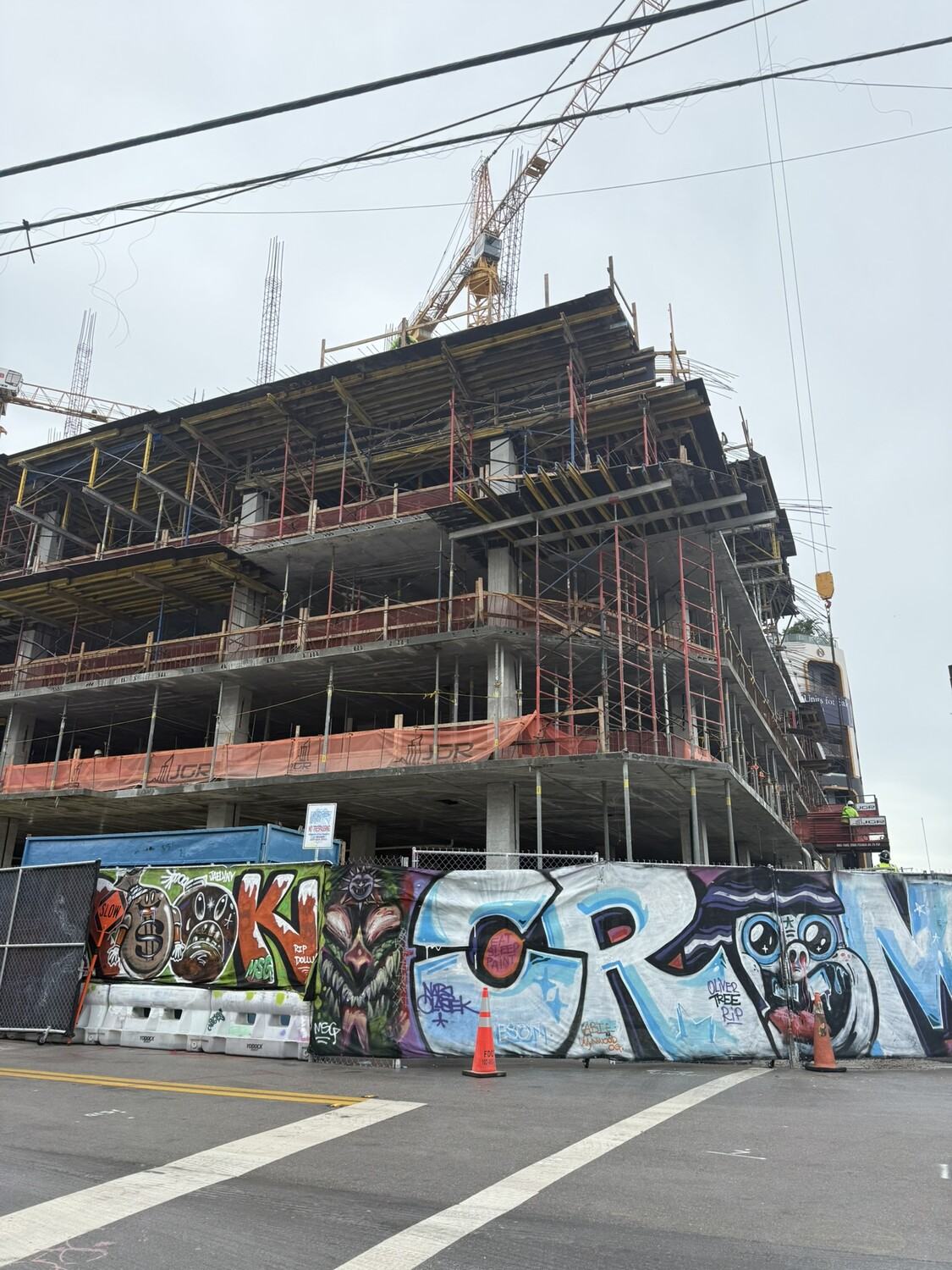
Launched in 2015 via the City's Neighborhood Revitalization District (NRD-1) and updated by the Wynwood Business Improvement District (BID) . The resident population jumped from roughly 1,000 prior to rezoning to nearly 6,000 residents as the BID works to "help the neighborhood achieve its full potential as a vibrant community for all that is centered on creativity, innovation and art". Developers and investors are pouring money into apartments, condos, offices, hotels, retail and mixed-use projects in the area. More from TheRealDeal .
Then, I remembered I still needed to officially check in and get my badge before my first learning excursion (what I kept calling "the boat ride"). In the badge line I met Taylor Hill, MBA from CREW Atlanta, and then Kirsten Peterson and Mo Camacho . (I truly love meeting people in lines!)
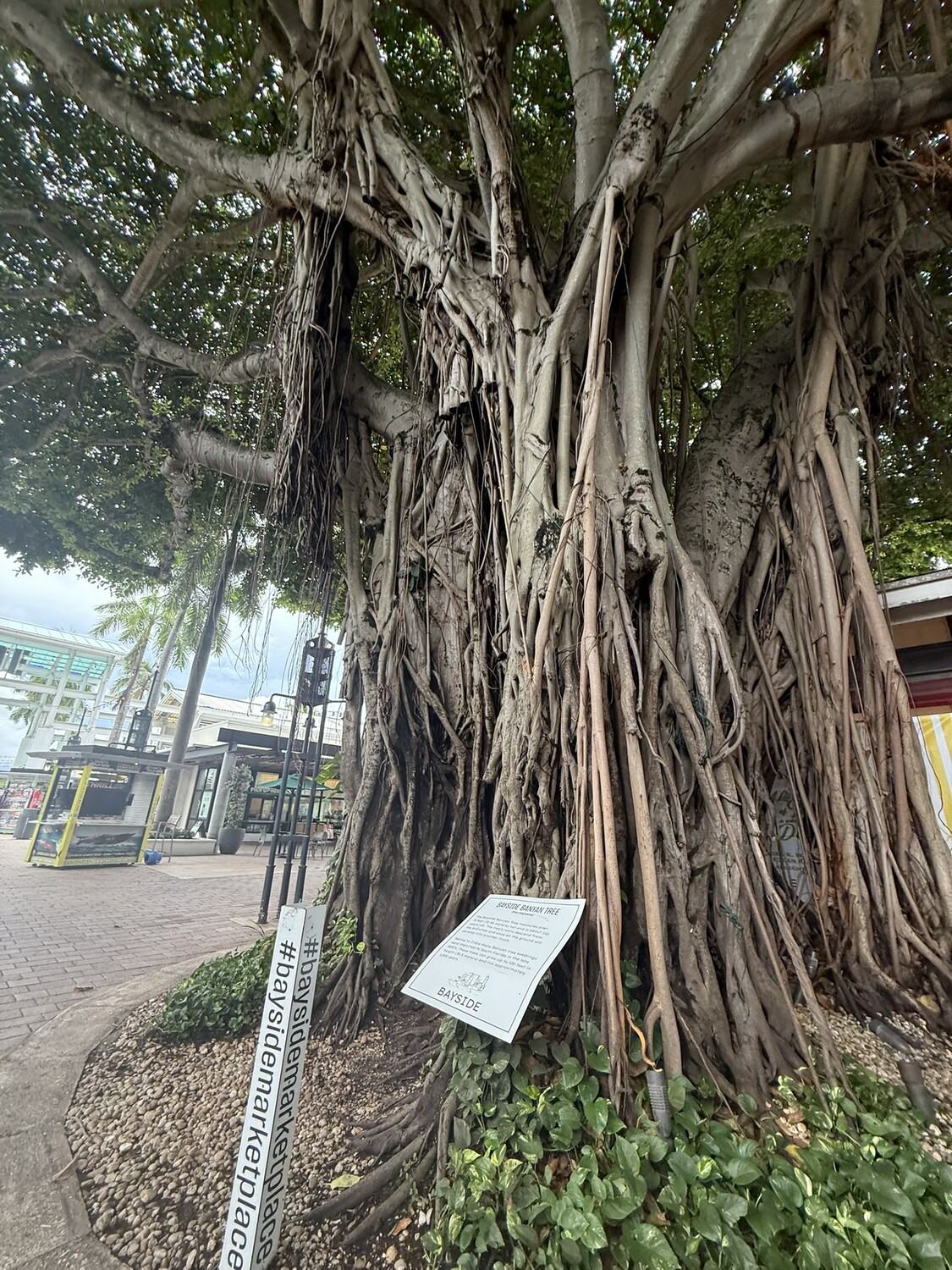
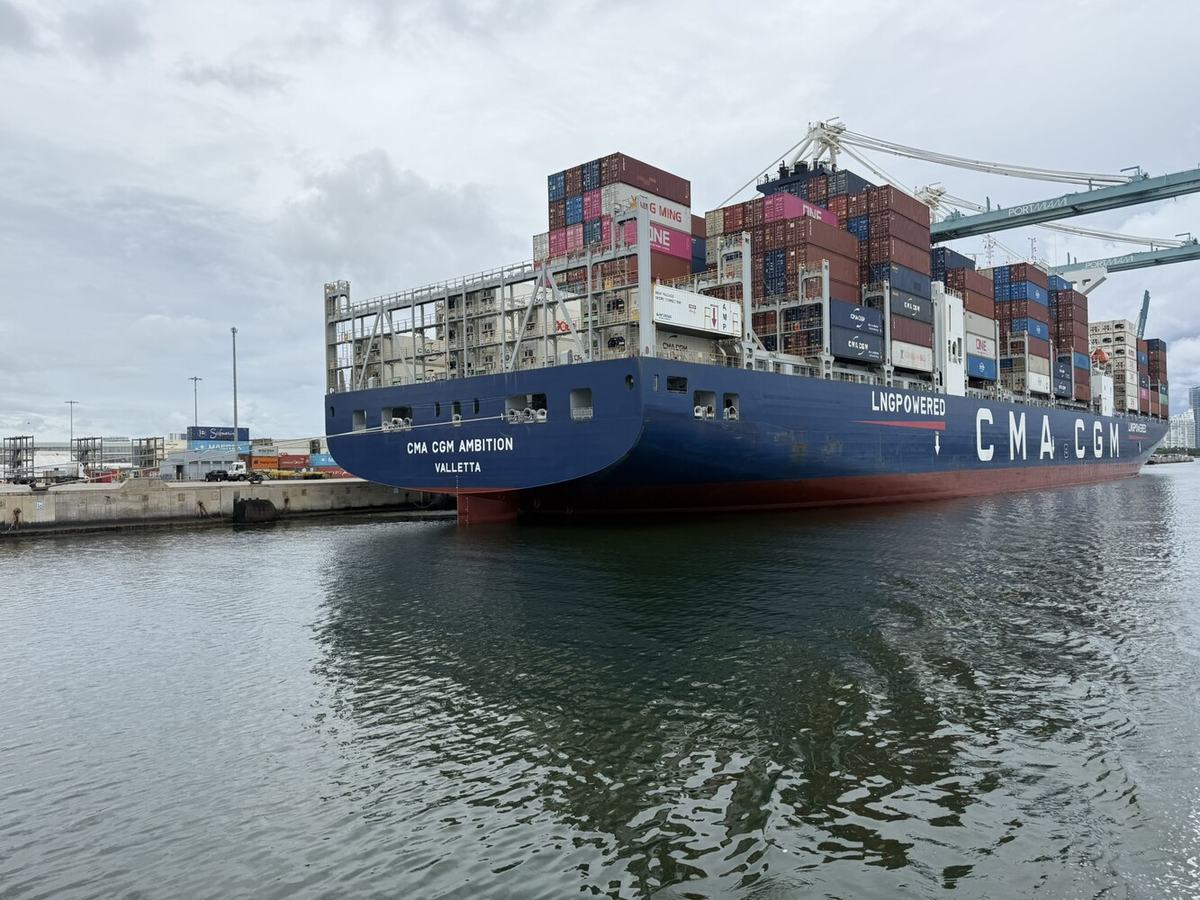
The excursion, Miami by Water: The Evolution of Biscayne Bay, looked at the city's waterfront through development, infrastructure, mobility, and coastal resilience. It gave me great conversations, and lots more pictures, including some truly amazing banyan trees. Fun fact, the tree below is the most famous banyan tree in Miami. (Another fun fact is that there's a whole website dedicated to Monumental trees , like this one.
Much of the waterfront we saw is engineered. The widespread dredge-and-fill operations drastically altered the natural hydrology, circulation, and historic freshwater flow of Biscayne Bay , leaving deep troughs and eliminating vast tracts of the bay's natural shoreline ecosystems. Dredging for the shipping channel Government Cut began in 1905, slicing off the tip of the Miami Beach peninsula and creating what became Fisher Island . The island's first owner was Dana Dorsey , the first child in his family who was not born into slavery, and one of Florida's first black millionaires, who envisioned the island as a resort for black families during segregation. In 1919 he sold it to Carl Fisher, who was already remaking the bay around it. Fisher and his partners dredged the bay floor for sand to fill mangrove swamps, which grew the barrier island that became Miami Beach from about 1,600 acres to 2,800. The same method produced a string of artificial islands: Star, Palm, Hibiscus, and the Sunset. Biscayne Bay has absorbed the cost of that growth, as decades of nutrient pollution from septic tanks, stormwater, and aging sewer lines drove widespread seagrass loss, and in August 2020 a fish kill took out more than 27,000 marine animals. Recovery is underway, but slowly. Meanwhile the skyline keeps rising. Whether the bay underneath it can keep up… that's what makes resilience a core development issue, not a side topic.
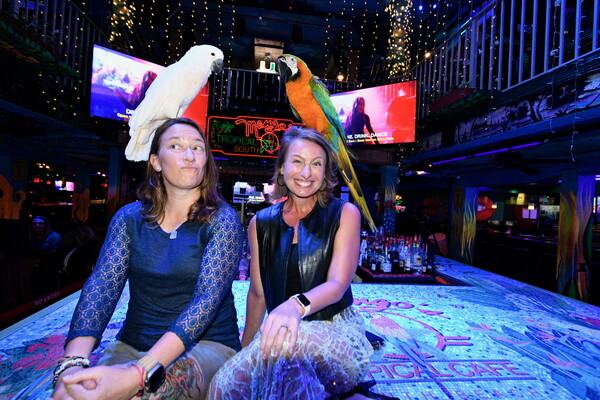
That evening was our CREW Omaha dinner at Mango's on South Beach: great company, a live show, parrot photos, excellent service, then dancing and karaoke. It's funny that we have to travel about 1,400 miles to get this much quality time together as a chapter. But it's one of the most important parts of convention, for me.
Thursday: Stages and seawalls
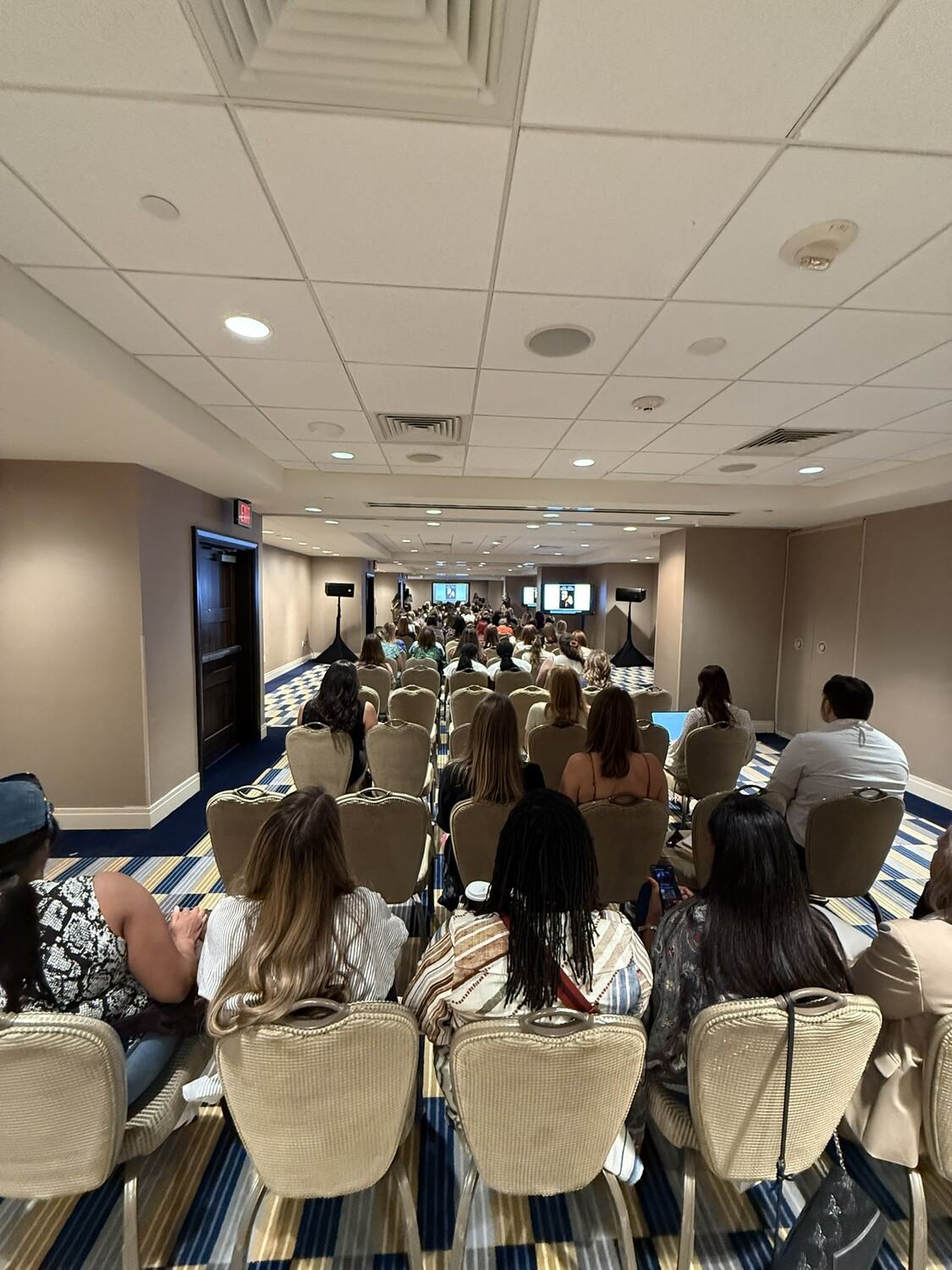
Convention proceedings opened with an inspiring keynote from Vanessa Van Edwards (my initial reflections here - it was a crazy moment of synchronicity ), followed by my panel breakout session, Insurable, Investable, Resilient: The New Rules of Climate-Smart Real Estate, with Holly Neber , Alicia Silva Villanueva , and Olivia Pink, PMP [LINK : so grateful for this group! And those who skipped an AI session to come see us].
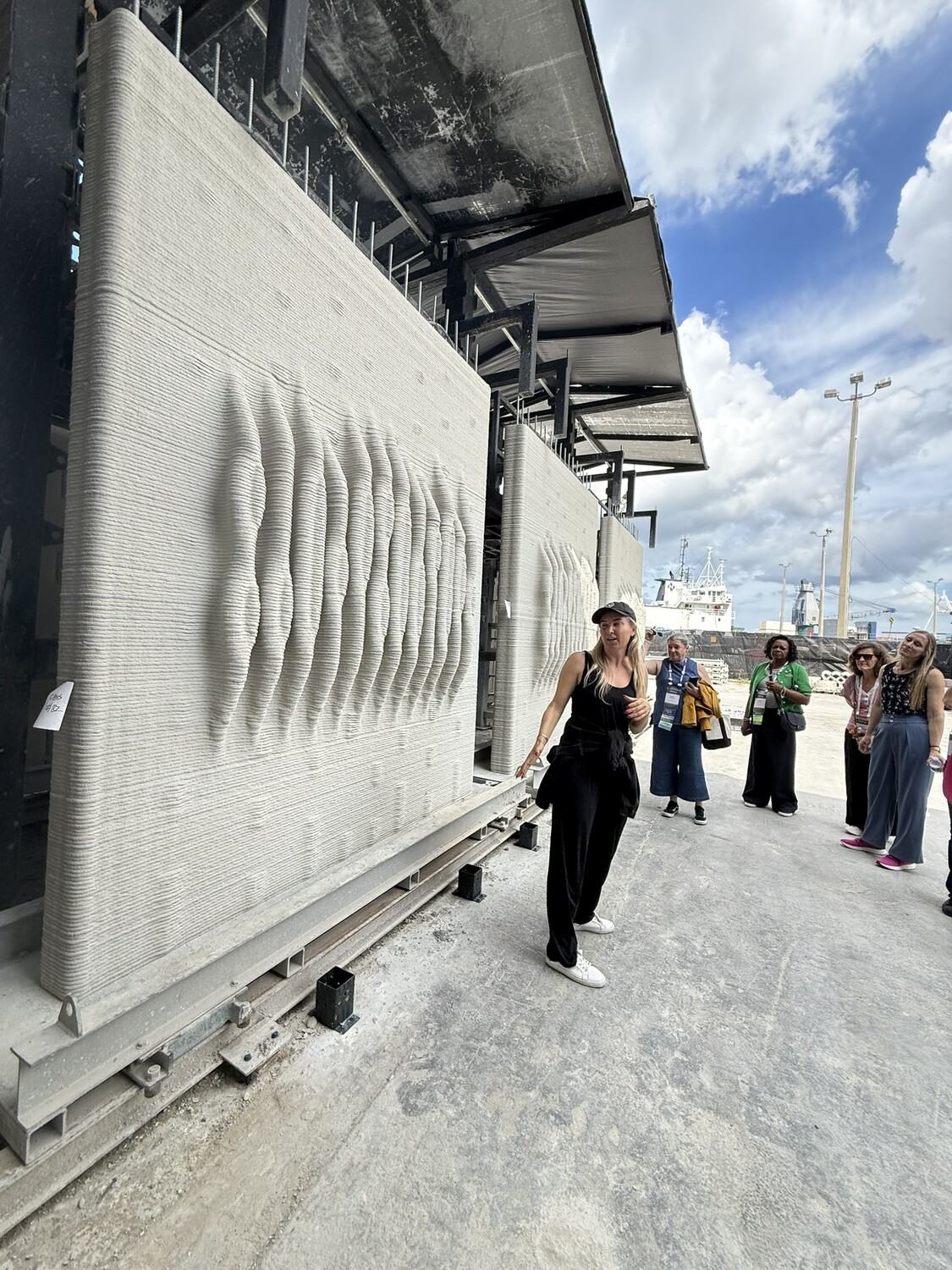
Then another learning excursion. (Have I mentioned that learning is my favorite?) This one was a tour of Kind Designs , the world's first 3D-printed seawall factory, led by founder and CEO Anya Freeman .
I learned a lot about seawalls (for my midwestern friends: a seawall is a hard, engineered barrier built parallel to the shoreline to separate land from water and protect coastal areas from the impact of waves, tides, and storm surges). There are pluses and minuses, as you might expect, when we go around trying to do something like controlling the sea.
Seawalls serve vital functions for coastal communities, properties, and infrastructure:
• Erosion Control: They block crashing waves and powerful currents from wearing away soil, sand, and rock along the coastline.
• Flood Defense: They prevent storm surges and high tides from pushing far inland, protecting homes, businesses, and public roads from severe flooding.
• Infrastructure Stability: They allow humans to build valuable infrastructure, docks, and buildings close to the water safely by stabilizing the land-sea boundary.
But while effective at protecting land directly behind them, seawalls also come with environmental trade-offs:
• They can reflect wave energy and accelerate erosion at the base of the wall or on neighboring, unprotected beaches.
• They can disrupt natural sediment movement and reduce local habitat diversity.
This visit to Kind Design was a great reminder in how integrative problem solving compounds. Because, in this case, one well-designed solution can address biodiversity, ocean health, economics, aesthetics, durability, erosion prevention, and workforce development all at once. That's the whole argument for sustainability in a single seawall. (Major kudos to a woman-led company doing it).
It shouldn't surprise anyone that several of our CREW Sustainability Council members ended up on the same tour ( Katie Bowman & Elizabeth Lutz ).
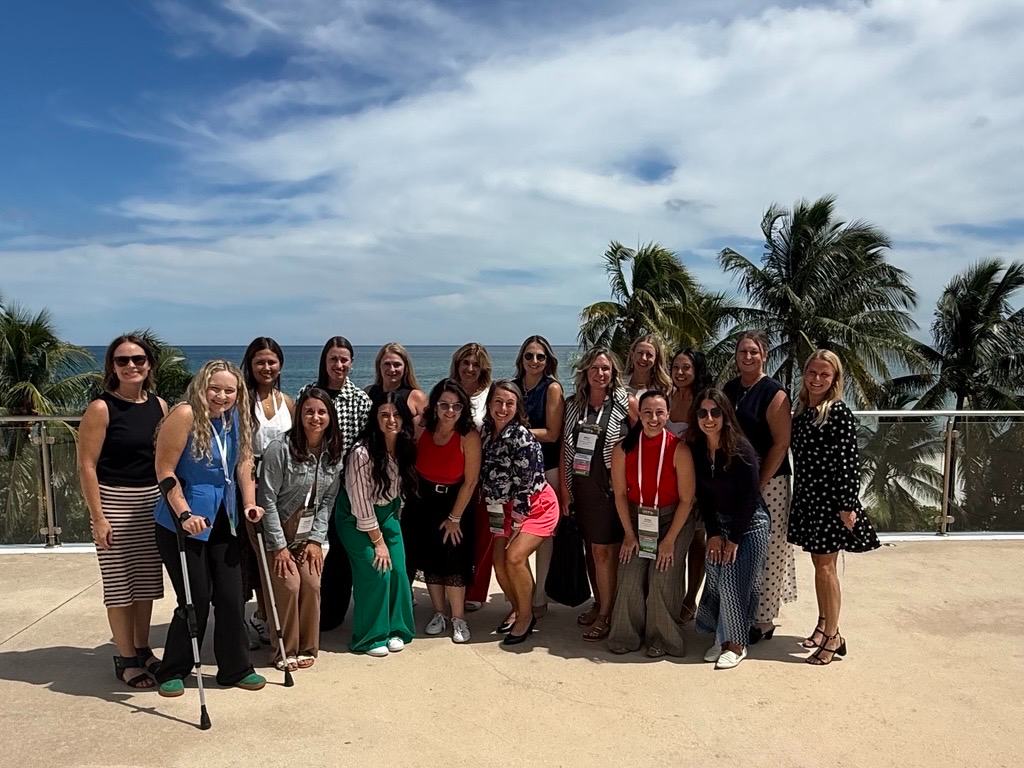
Back at the hotel, the CREW Omaha group blinded ourselves on the balcony for another group photo and I snuck in a nap before another lively evening of good company and conversation.
Friday: Recognition, and a reminder not to dim
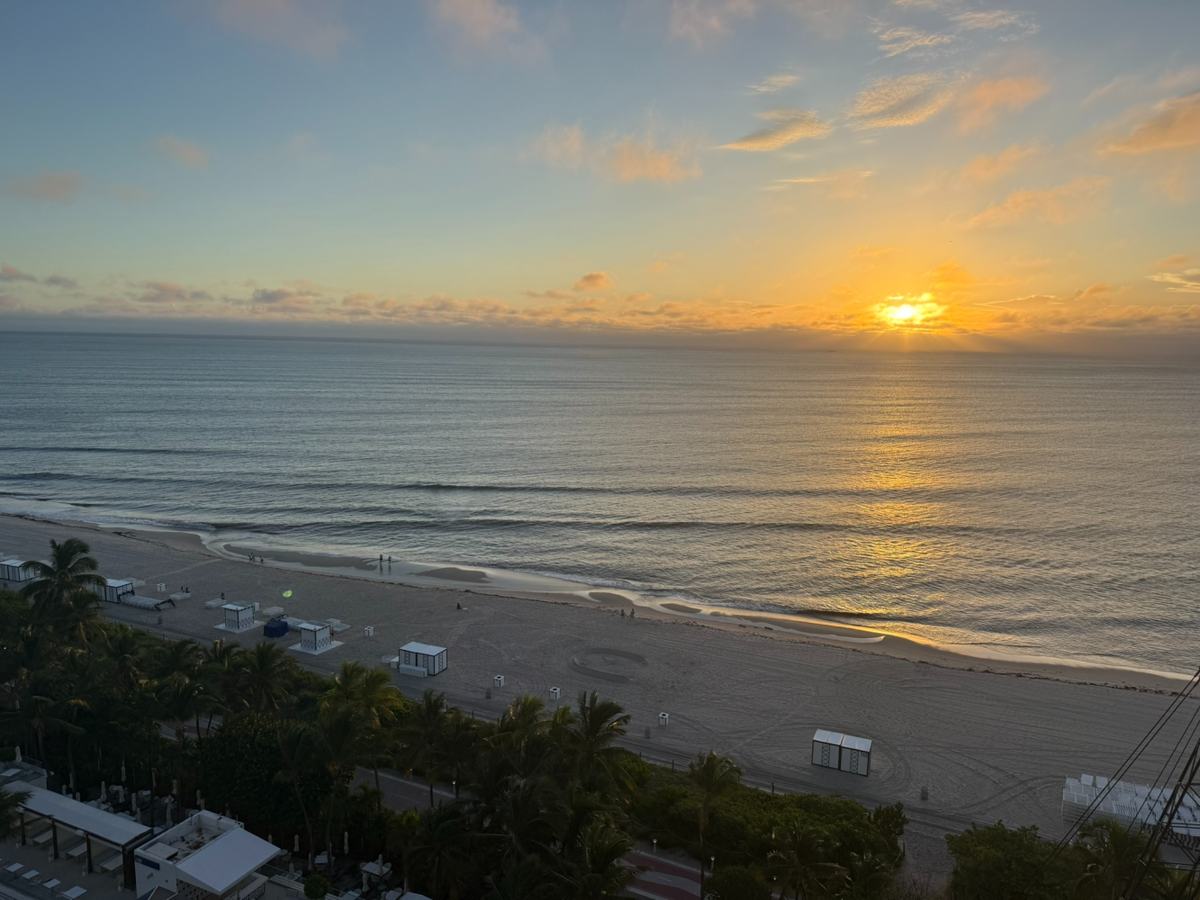
Another beautiful sunrise from the balcony kicked off the final day.
I was honored to join an incredible cohort of this year's CREW Network Impact Award Honorees, as the recipient of the 2026 Sustainability Trailblazer Award: which recognizes a member who has made a significant contribution towards their company’s sustainability goals, displays leadership in the areas of environmental, social, & governance, and who is defined as "a changemaker who does not accept the status quo and instead strives to help their company make a positive change in the world". I really love that last statement because that's exactly what I'm trying to do, here at BranchPattern , in my community, and the world.
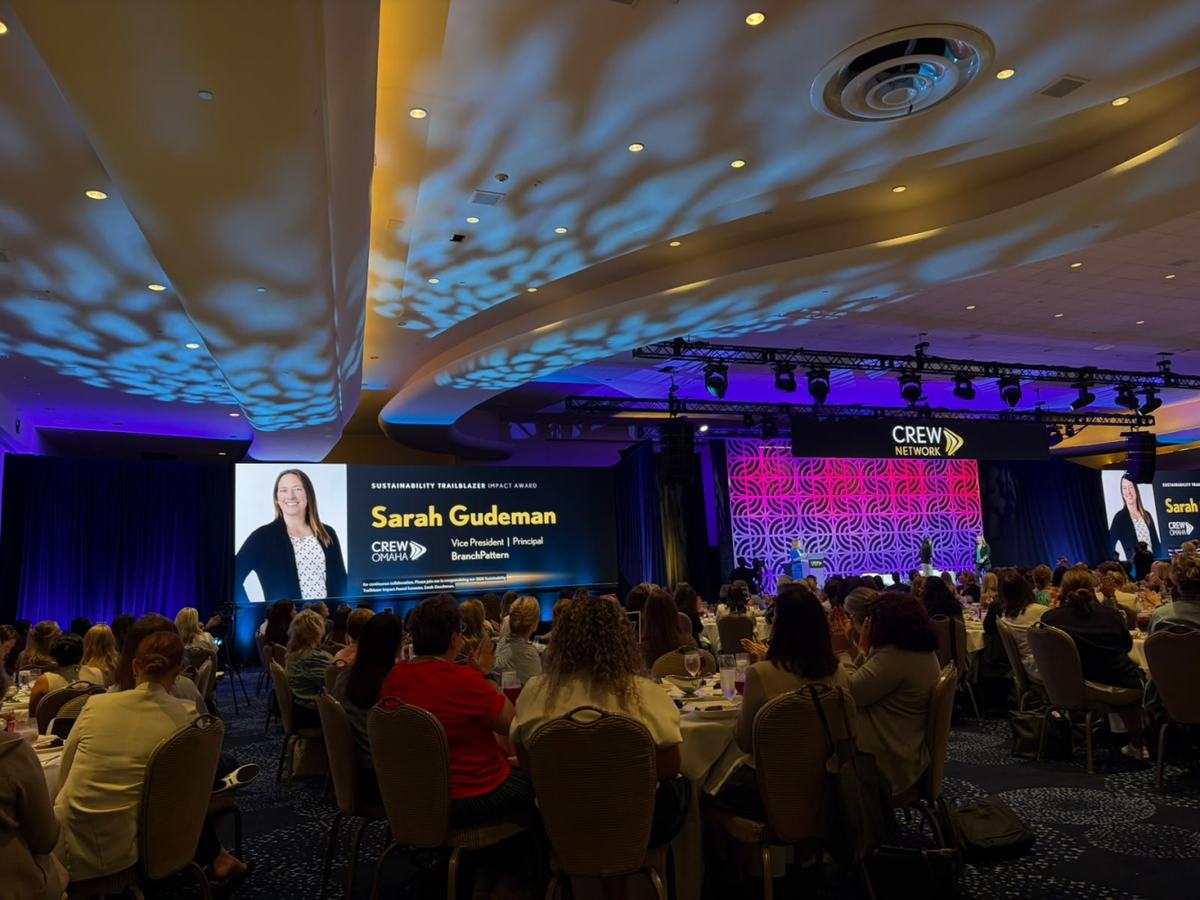
My own CREW Omaha chapter submitted me for it, and that recognition means so much. So did the many messages from CREW connections, both in the room and from afar, after the announcement. Thank you, thank you, thank you! And while the recognition feels really good, it's just a stepping stone towards more work to do, and hopefully something I can use to show a path and bring along others for all the work we in sustainability still have to do.
Also meaningful: having my colleague Daniela Perez , along for the ride. Dani received the CREW Omaha 2026 Emerging Professional Scholarship, and I was thrilled to have her there representing BranchPattern with me.
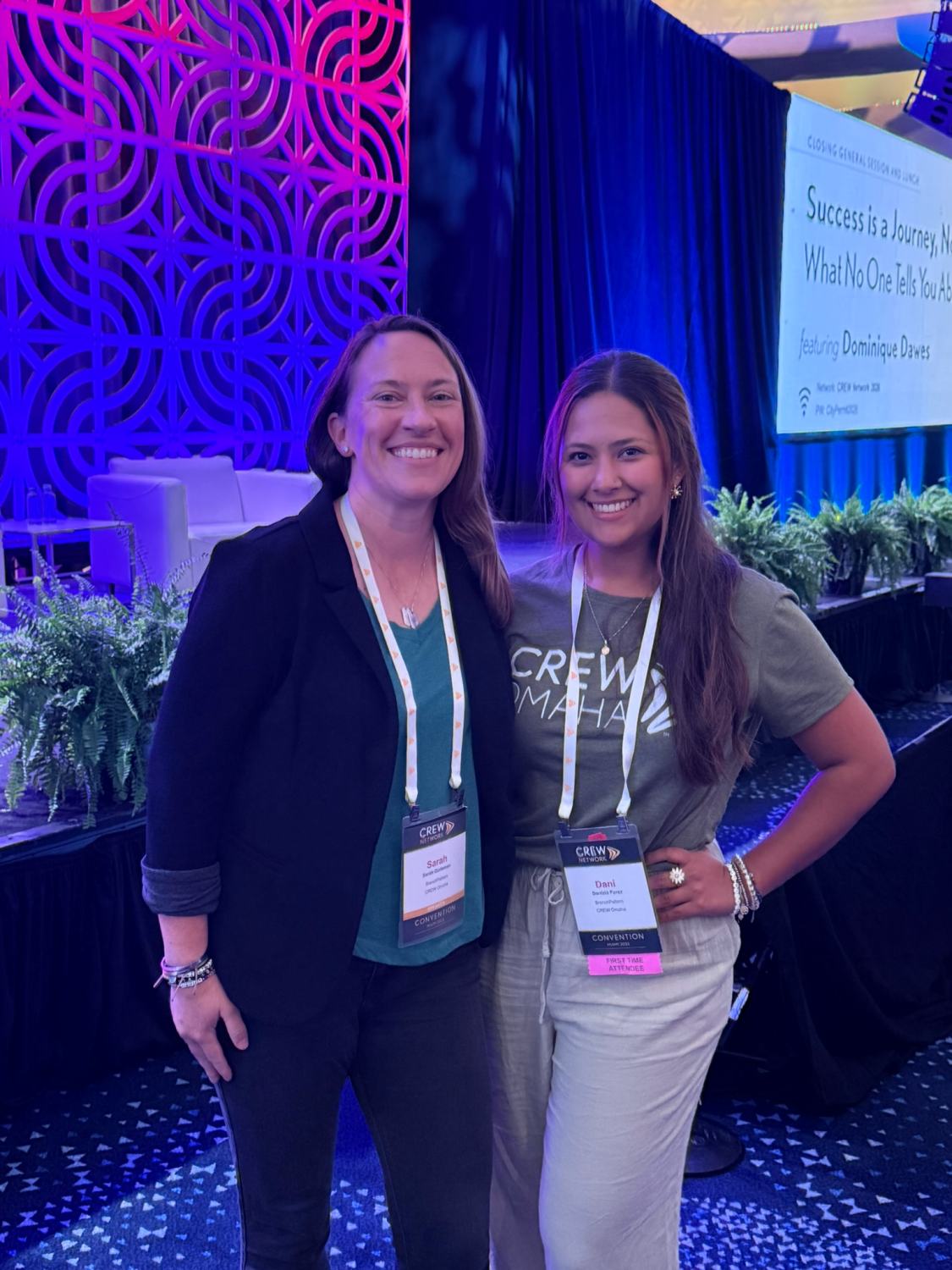
The closing session with Dominique Dawes was also notable. She brought her gold medal. Her talk was about teamwork, releasing perfectionism, and defining success by lasting positive impact. She also shared a quote that landed for me: Don't dim your light just because it's too bright for someone else's eyes. Olympic gold was just one moment in Dominique Dawes’ journey, because the real success came in the struggle, growth, and grit along the way. Dawes shared how resilience, mindset, and the right support system helped her push through obstacles and turn challenges into stepping stones.
Then it was back to Wynwood for one more learning excursion, Wynwood Rising: From Warehouse District to Global Creative Hub. The excursion was gifted to me, and I happily accepted, since I had such a great time learning about the area on my own. We covered the history and techniques of the murals, the difference between graffiti and broader mural art, and why paying artists fairly and protecting their rights matters. It resulted in a million more pictures and videos - which has also inspired another forthcoming newsletter edition - stay tuned for that, next!
What I'm bringing home
Climate risk is everywhere. The flooding question from our panel was the week's clearest reminder. Community compounds. A question became a nonprofit in seven months. A line at badge pickup became three new friends. Good solutions solve more than one problem. Seawalls that support marine life. Murals that build neighborhoods. Talent needs access. CREW's closing message was that people also need mentorship, visibility, and invitations into the right rooms.
See you September 29 - October 1, in Phoenix, Arizona for CREW Convention 2027 !